
Yangon Travel Guide 2026: Tea Shops, Street Food, Rooftops and Practical Tips
A detailed guide to Yangon for food lovers and curious travellers — current travel advice, getting in and around, neighbourhoods, tea-shop culture, Burmese and Shan food, markets, rooftop bars, craft beer, money, connectivity and etiquette.
✍️ By Go Asia Guide Editorial Team🗓️ Updated 11 Oct 2026⏱️ 13 min read
📑 Contents
Yangon is unlike any other big city in Southeast Asia. Golden pagodas rise above crumbling colonial buildings, tea shops spill onto the pavements from dawn, and the evening smoke from barbecue stalls drifts across Chinatown. It is a city where breakfast is a bowl of fish noodle soup on a tiny plastic stool and where the best way to spend an afternoon is over sweet milk tea and conversation. For food lovers in particular, Yangon is a rewarding and still under-explored destination.
This guide covers what you need to know before travelling — including the current safety situation — and how to get around, where to stay, what to eat and drink, the best tea shops, markets and rooftop bars, and the practical details (money, internet, power, etiquette) that make a visit to Yangon smoother. Every place we mention links to its full listing with opening hours, contacts and a map. Browse all places in Yangon for the complete list.
Before you go: travel advice and safety

Myanmar has been in a serious political and security crisis since the military takeover in February 2021, with armed conflict in many parts of the country. Life in central Yangon continues and businesses are open, but the situation can change quickly. Before you book, and again before you travel:
- Read your government's latest travel advice. For example, the UK Foreign Office advice for Myanmar explains which areas it advises against visiting and what risks to expect. Many governments advise against all but essential travel to the country.
- Check your travel insurance. Some policies do not cover destinations that your government advises against. Read the small print.
- Stay informed while there. Avoid demonstrations, large gatherings and security installations, follow instructions from the authorities, keep your passport with you and register with your embassy if that service is offered.
- Expect disruptions. Power cuts, internet restrictions, fuel shortages and changing rules on curfews or movement have all happened in recent years.
Travelling here requires more preparation than visiting Bangkok, but many visitors who make the trip find Yangon warm, welcoming and fascinating. Make an informed decision, stay flexible and travel responsibly.
Yangon at a glance

- Currency Myanmar kyat (MMK, written "Ks" on our site). Yangon is largely a cash economy.
- Language Burmese. English is spoken in hotels, upscale restaurants and by many younger people; signs downtown are often bilingual. "Mingalaba" (hello) and "kyay zu tin ba de" (thank you) are appreciated.
- Time zone Myanmar Time, UTC+6:30 — note the half hour.
- Electricity 230V. Sockets vary; a universal adapter is the safest choice. Power cuts are common, so carry a power bank.
- Tipping not traditional, but small tips in restaurants and for drivers are welcome.
- Emergency numbers see our Myanmar emergency numbers page, and save your hotel's phone number.
When to visit

- Cool, dry season (November to February)
- the most comfortable months, with sunny days and pleasant evenings for rooftop bars and street food.
- Hot season (March to May)
- very hot, especially in April. Mid-April brings Thingyan, the water festival that marks the Burmese New Year — great fun, though much of the city closes for several days (read about Thingyan).
- Monsoon (June to October)
- heavy rain, sometimes for hours, and occasional flooding in low-lying streets. Travel is still possible; plan indoor alternatives.
Getting there
Visas and entry
Most visitors need a visa. Check the current rules and eligibility on the official Myanmar e-Visa website and apply only through official channels — third-party sites charge extra fees. Visa policies have changed several times in recent years, so confirm the details shortly before you travel. The Ministry of Hotels and Tourism publishes official tourism information.
Arriving at Yangon International Airport
Yangon International Airport (RGN) is north of the city. The drive downtown usually takes 45 minutes to well over an hour depending on traffic. Use an official airport taxi counter, a hotel transfer or a ride-hailing app, and agree the fare in advance with ordinary taxis. Have some cash in kyat or clean US dollar notes for the journey.
Getting around Yangon
- Taxis and ride-hailing
- the main way to get around. Ride-hailing apps such as Grab operate in Yangon and show the fare upfront; ordinary taxis do not use meters, so agree the price before you set off.
- No motorbikes downtown
- motorbikes have long been banned in central Yangon, so you won't find motorbike taxis in the city centre as you do elsewhere in Asia.
- Walking
- downtown's grid of numbered streets is very walkable, but pavements are uneven and drains can be open — watch your step, especially after dark.
- The Circular Railway
- a slow loop train through the suburbs, villages and markets around the city, popular with visitors for the views of everyday life. Schedules and services change, so check locally (read about the Yangon Circular Railway).
- Buses
- the YBS city bus network is cheap and extensive but signage is mostly in Burmese.
Traffic can be heavy at rush hour, so allow extra time and group your plans by neighbourhood.
Yangon's neighbourhoods
Downtown (Kyauktada, Pabedan and Botahtaung)
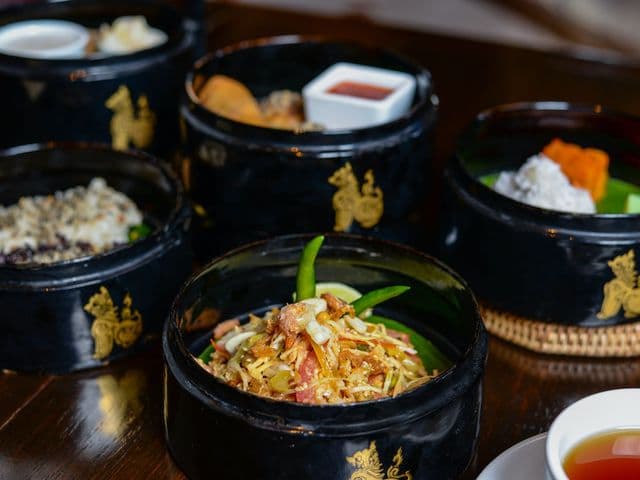
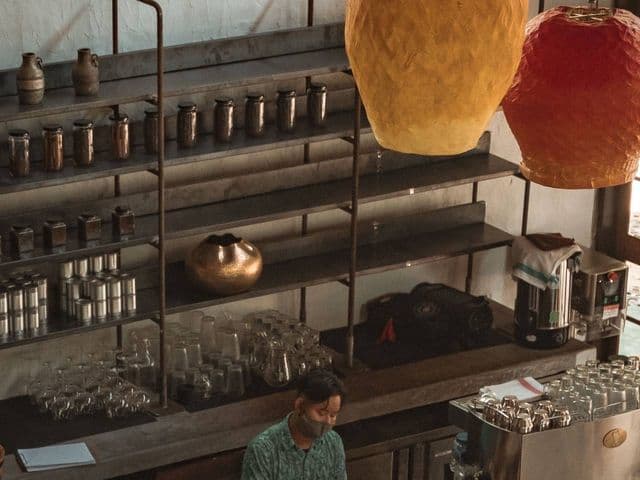
The historic heart of Yangon, laid out on a grid around Sule Pagoda, has the city's best colonial architecture, including the riverside Strand Road. Here you'll find the elegant The Strand Café, the much-loved Rangoon Tea House, the traditional tea shop Shwe We Htun, the craft-beer and cocktail bar The Blind Tiger, the riverside Strand Road Night Market and the rooftop Yangon Yangon on Sakura Tower. In Botahtaung, Café Salween is a calm spot for coffee and lunch. The covered Bogyoke Aung San Market in Pabedan is the place for longyis, lacquerware, jade and souvenirs.
Chinatown (Latha and Lanmadaw)
West of downtown, Chinatown comes alive at night. 19th Street is famous for barbecue skewers and draught beer — see our listing for 19th Street — and nearby are the busy Theingyi Market, the classic 999 Shan Noodle Shop and the local beer spot Mite Tee Beer House. In Lanmadaw, Shan Yoe Yar Restaurant serves refined Shan cooking, and the riverside The Pier Rooftop Bar & Terrace has sunset views.
Bahan and the Shwedagon area
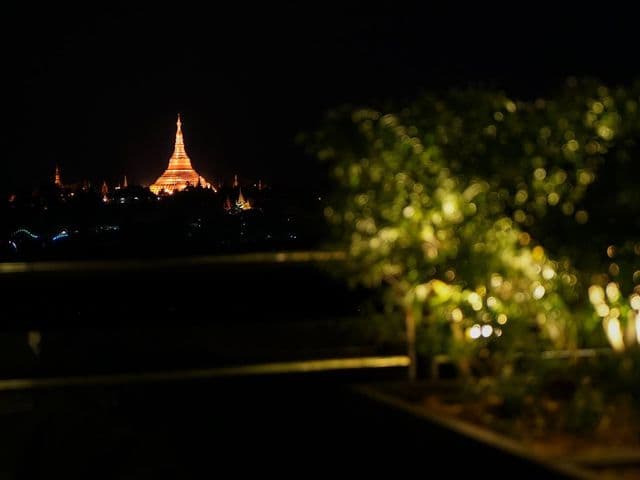
Bahan surrounds the Shwedagon Pagoda and the leafy residential streets towards Inya Lake. It has a strong café and bakery scene — try Yangon Bakehouse, Acacia Tea Salon, My Hill Coffeehouse, Coffee Circles and Goethe Café — plus The Beer Factory Yangon and the Vista Rooftop Bar, known for its views of the pagoda.
Sanchaung and Kamayut
These lively, local neighbourhoods west of Shwedagon are full of small restaurants, cafés and street stalls. House of Memories serves Burmese food in a historic house, The Plant House Cafe is a green escape, and the Atlas Rooftop Bar & Lounge and Astro Bar & Grill are good for evening drinks. The evening Myaynigone night market and the Hledan market and night stalls in Kamayut are great for cheap eats.
Yankin and Mayangone
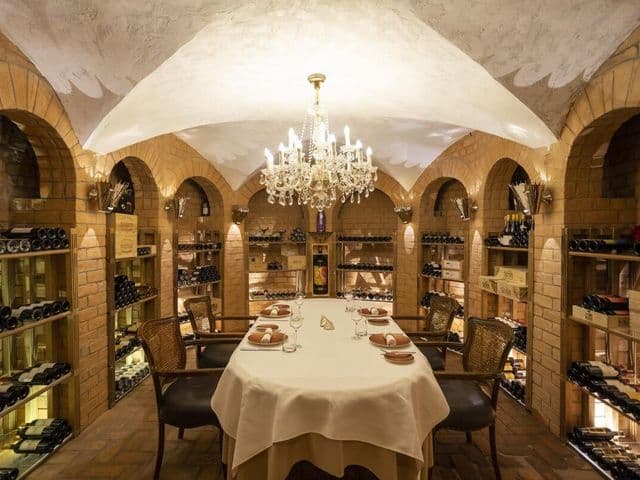
North of the centre, these modern residential districts are where many of Yangon's newer restaurants, cafés and bars have opened. Try Le Planteur Restaurants & Lounge for fine dining in a garden setting, Origin Coffee & Roastery for speciality coffee, YKKO for its famous chicken noodle soup, and the tea houses Daung Tea House, Thone Pan Hla and Lucky Seven Tea Shop. In Mayangone, SEEDS Restaurant & Lounge is one of the city's most celebrated dining rooms, and 369 Dine & Bar and Rooftop99 Bar & Lounge offer views after dark.

Shwedagon Pagoda and other sights

The Shwedagon Pagoda is the most sacred Buddhist site in Myanmar and the defining sight of Yangon: a gilded stupa about 100 metres tall, surrounded by dozens of smaller shrines. Visit in the late afternoon and stay for sunset, when the gold glows and families arrive to pray and light candles. Practical tips:
- Dress modestly: shoulders and knees covered. Sarongs or longyis can usually be borrowed or rented at the entrances.
- Shoes and socks off: you walk barefoot on the marble platform, which gets very hot in the midday sun — another reason to go late in the day.
- Walk clockwise around the stupa, as local worshippers do.
- Foreign visitors pay an entrance fee; keep your ticket sticker visible.
Downtown, Sule Pagoda sits at the centre of a traffic circle surrounded by colonial buildings, and a walk along Pansodan Street and Strand Road takes in some of the finest colonial-era architecture in Asia. Kandawgyi Lake and Inya Lake are pleasant for an evening stroll.
Tea-shop culture

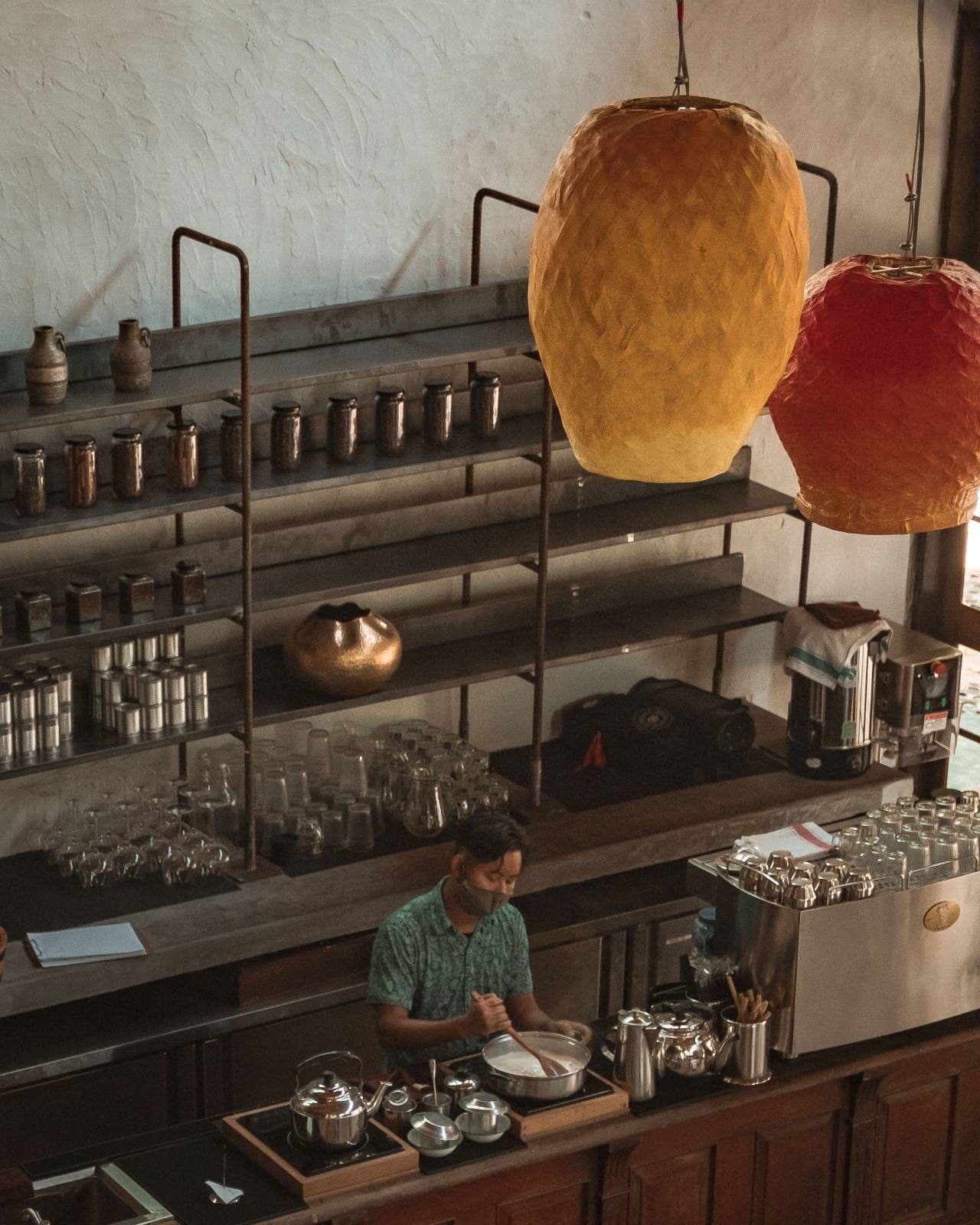
To understand Yangon, spend time in its tea shops. They open early, stay busy all day and serve as the city's living rooms — places to read the paper, meet friends and talk business. Order laphet yay, sweet milk tea made with condensed milk; you can ask for it less sweet ("cho seint") or stronger ("kya seint"). A pot of light Chinese green tea is usually on the table for free.
Tea shops also serve some of the best cheap food in the city: samosas, deep-fried snacks, flaky palata flatbreads with curry or sugar, steamed buns and noodle dishes. Try a classic, no-frills tea shop such as Lucky Seven Tea Shop, Shwe We Htun or Than Kywel Tea Shop, and a modern take at Rangoon Tea House or Acacia Tea Salon. For a colonial-style afternoon tea, The Strand Café in the historic Strand Hotel is an experience in itself.
What to eat in Yangon
Burmese food blends influences from its neighbours — India, China and Thailand — with the cooking of the country's many ethnic groups. Dishes to look for:
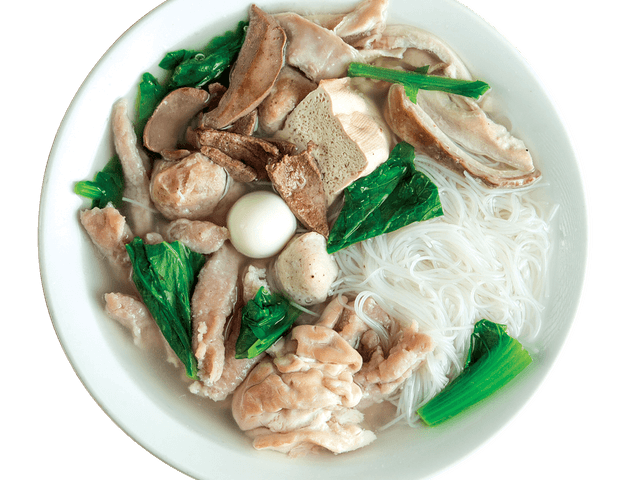
- Mohinga: fish broth with rice noodles, lemongrass and crispy fritters, Myanmar's national breakfast (read about mohinga). Most tea shops and street stalls serve it in the morning.
- Laphet thoke: the famous fermented tea-leaf salad with crunchy beans, peanuts, garlic and tomato.
- Shan noodles: rice noodles with chicken or pork in a light tomato sauce, from Shan State in the east. Try them at 999 Shan Noodle Shop or Shan Yoe Yar Restaurant.
- Ohn no khauk swe: coconut chicken noodle soup, a comforting favourite.
- Burmese curries: rich, oily curries served with rice and an array of side dishes, soups and fresh vegetables.
- Chicken noodle soup at [YKKO](/venue/ykko): a Yangon institution.
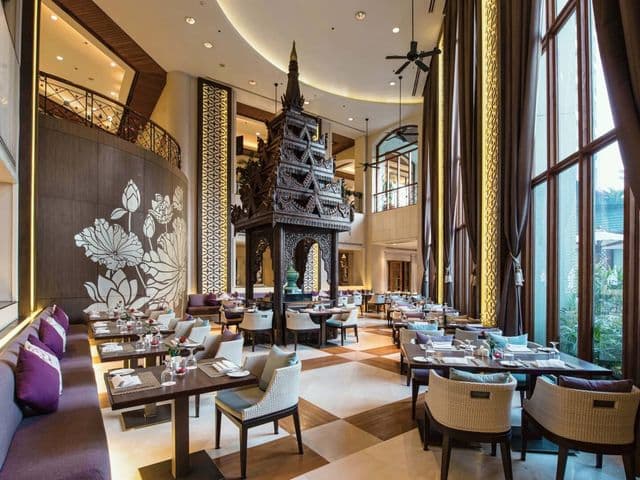
For a more upscale Burmese meal, House of Memories and Rangoon Tea House are good choices; for a special occasion, book SEEDS Restaurant & Lounge, Le Planteur Restaurants & Lounge or The Emporia Restaurant by Kandawgyi Lake. For Italian, L'OPERA Italian Restaurant has long been popular.
Street food and markets
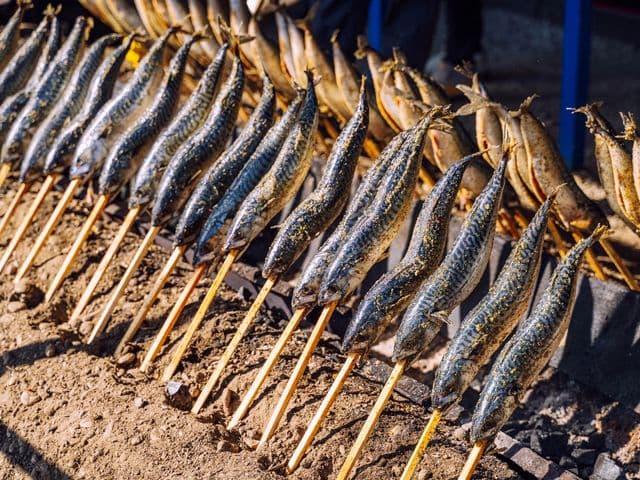
Yangon's street food is cheap, varied and best in the evening. Head to 19th Street in Chinatown for skewers grilled to order, the Strand Road Night Market by the river, the stalls around Maha Bandula Park and Sule, and markets such as Theingyi Market, Thiri Mingalar Market and Kyauk Myaung Market. For shopping, Bogyoke Aung San Market (see the official market website) is usually closed on Mondays and public holidays.
Street food and markets in Yangon
As anywhere, choose busy stalls where food is cooked fresh, drink bottled water and be cautious with ice and raw salads if you have a sensitive stomach.
Cafés and coffee

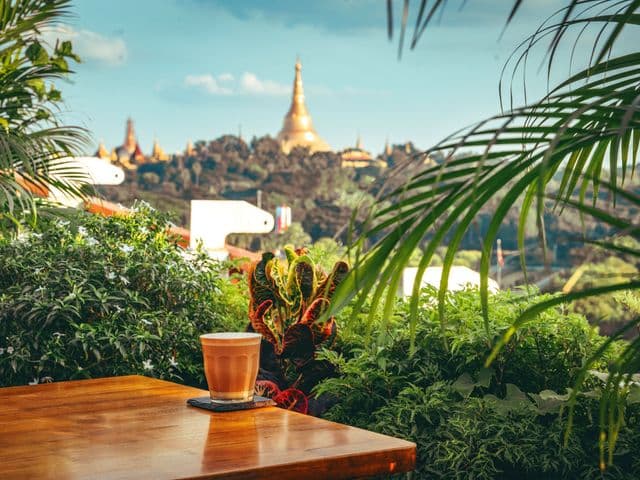
Yangon's café scene has grown quickly, with roasters and bakeries alongside the traditional tea shops. Good places to start: Origin Coffee & Roastery, Flavour Specialty Coffee downtown, EASY Specialty Coffee and Coffee Six Six in Dagon, Café Salween and the Yangon Bakehouse, which also trains women from disadvantaged backgrounds.
Drinking and nightlife

Yangon's nightlife is quieter than Bangkok's and venues tend to close earlier, especially when there are security restrictions — always check opening hours before heading out and plan your ride home.
Rooftop bars
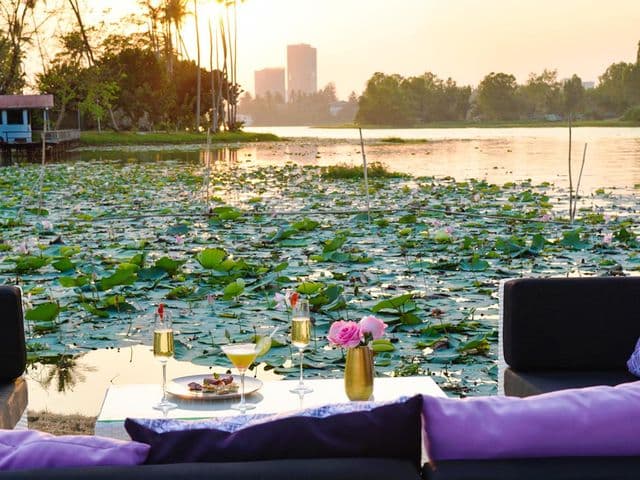
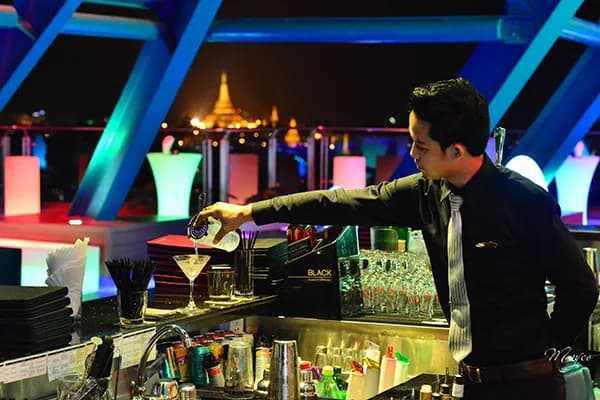
Sunset over the Shwedagon is the signature Yangon drinking experience. Vista Rooftop Bar in Bahan faces the pagoda, Yangon Yangon on Sakura Tower looks over downtown, Atlas Rooftop Bar & Lounge offers 360-degree views, and The Pier Rooftop Bar & Terrace sits by the river. Hotel rooftops such as Sanctuary Sky Bar, Piano Bar & Grill and Yankin Heights Rooftop are relaxed options.
Beer and cocktails
Myanmar has a strong beer-drinking culture, from local "beer stations" with draught beer and barbecue to craft breweries. Try Burbrit Myanmar for craft beer, The Beer Factory Yangon and TBF Live for bands, Regal 7 Beer Pub & Restaurant for a local night out and The Blind Tiger for cocktails downtown. See all beer bars and pubs and cocktail bars in Yangon, and check live music in Yangon.

Where to stay in Yangon
- Downtown is the most atmospheric base for first-timers, close to the colonial streets, Chinatown, tea shops and the river. The historic Strand Hotel is the classic luxury choice.
- Bahan and around the lakes suit travellers who want a quieter, greener base close to the Shwedagon and the cafés of Bahan.
- Yankin and Mayangone have newer business hotels and are convenient for the airport, modern restaurants and cafés.
Because power cuts happen, ask whether your hotel has a generator and reliable Wi-Fi. Choose a hotel with a 24-hour reception and the ability to arrange transport at night.
Money and costs

- Bring cash. Yangon runs largely on cash. Bring US dollars in new, clean, undamaged notes — torn, marked or old-series notes are often refused — and change them at banks, licensed money changers or your hotel.
- Cards: accepted at some upscale hotels and restaurants, but don't rely on them. ATM access for foreign cards can be limited or unreliable.
- Local payments: many residents pay with mobile wallets such as KBZPay or WavePay, which are hard for short-term visitors to set up.
- Costs: a tea-shop breakfast or a bowl of noodles costs very little, a meal at a mid-range restaurant is affordable by regional standards, and imported wine and spirits are expensive. Exchange rates can move quickly, so check the current rate before changing large amounts.
Internet, phone and power
- SIM cards
- local SIM cards with data are available with your passport. Mobile data is generally the most reliable way to get online.
- Restrictions
- access to some websites, apps and social networks has been restricted at times, and internet connections can be slow or interrupted. Download offline maps, translation packs and important documents before you arrive.
- Power cuts
- carry a power bank and keep your phone charged; many businesses run on generators.
Etiquette and local customs
- Temples and pagodas
- remove shoes and socks before entering the grounds, dress modestly and walk clockwise around stupas.
- Monks and nuns
- women should not touch monks or hand things to them directly. Give way to monks on narrow pavements.
- Body language
- the head is considered sacred and the feet the lowest part of the body — don't touch people's heads or point your feet at people or Buddha images.
- Photography
- ask before photographing people, especially monks, and never photograph military or security sites.
- Dress
- many local men and women wear the longyi, a wrapped sarong — buying one at Bogyoke Market is a nice souvenir and handy for temple visits.
- Politics
- avoid discussing politics in public; people may not feel free to speak openly.
Travelling responsibly

How you spend your money in Yangon matters. A few principles help ensure your visit benefits ordinary people:
- Eat and drink local. Family-run tea shops, street stalls, markets and independent cafés keep money in the community. Our listings of tea shops, street food and cafés are a good place to start.
- Buy crafts directly. At Bogyoke Aung San Market and smaller shops, buy from the makers or family stalls rather than tour-group outlets, and bargain politely — a smile works better than a hard line.
- Choose social enterprises where you can, such as training cafés and restaurants that employ young people or women from disadvantaged backgrounds.
- Respect people's safety. Do not post photos or names of local people who might be put at risk, and never pressure anyone to discuss politics.
- Tip your drivers and guides, and pay fair prices for services; small amounts make a real difference.
Pre-trip checklist

- Read the latest official travel advice and confirm your insurance covers Myanmar.
- Apply for your visa through the official e-Visa website and print the approval letter.
- Bring enough US dollars in new, clean notes, plus a card as a backup.
- Download offline maps, a translation app and copies of your documents.
- Pack a universal plug adapter, a power bank, a light rain jacket, mosquito repellent and clothing that covers shoulders and knees for pagodas.
- Save your hotel's address in Burmese script to show taxi drivers.
- Keep our Myanmar emergency numbers and your embassy's contact details on your phone.
Sample itineraries
One day in Yangon
Morning
mohinga and milk tea at Lucky Seven Tea Shop, then a walk through downtown's colonial streets and Sule Pagoda.
Lunch
Rangoon Tea House for modern Burmese classics.
Afternoon
shopping at Bogyoke Aung San Market (closed Mondays) and coffee at Café Salween.
Sunset
the Shwedagon Pagoda, then drinks with a view at Vista Rooftop Bar.
Dinner
barbecue and beer on 19th Street in Chinatown.
Three days in Yangon
Day 1 — Downtown and the river
tea shops, colonial architecture, afternoon tea at The Strand Café, the Strand Road Night Market in the evening.
Day 2 — Shwedagon and Bahan
cafés in Bahan, the Circular Railway or a lakeside walk, Shwedagon at sunset, dinner at House of Memories.
Day 3 — North Yangon
YKKO for lunch, speciality coffee at Origin Coffee & Roastery, a special dinner at SEEDS Restaurant & Lounge or Le Planteur, and craft beer at Burbrit Myanmar.
Useful resources

- UK travel advice for Myanmar — check before and during your trip.
- Myanmar e-Visa — official visa applications.
- Ministry of Hotels and Tourism — official tourism information.
- Grab Myanmar — ride-hailing.
- Our useful apps for Myanmar and emergency numbers pages.
Plan your visit

Yangon rewards slow travel: sit down in a tea shop, take your time over a bowl of mohinga, and let the city come to you. When you're ready to plan, browse our lists of tea shops, restaurants, street food, cafés and rooftop bars — each place has its opening hours, contacts and a map. Stay informed, travel flexibly and enjoy one of Asia's most distinctive cities.